How to Become a Nurse Practitioner
08/04/2026
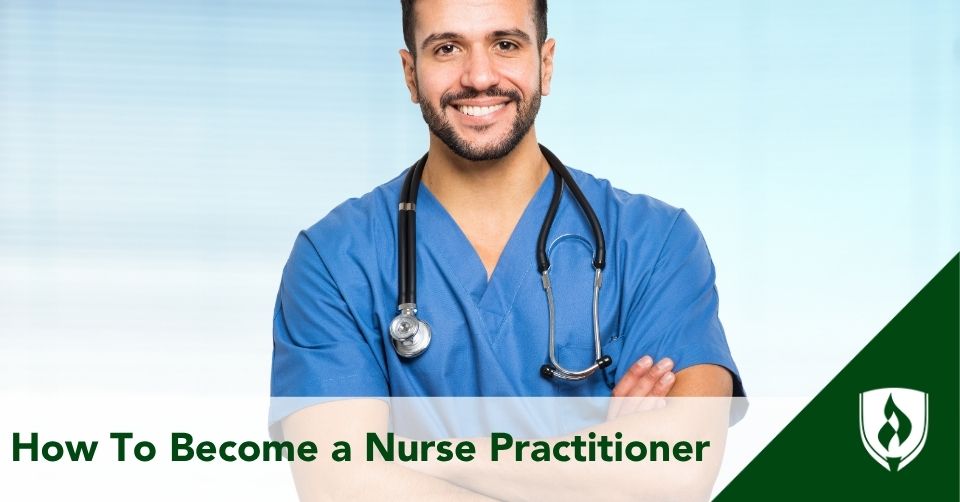
If you're curious about the role of a nurse practitioner or wondering what's one step above becoming a registered nurse, learning how to become a nurse practitioner (NP) may be worth exploring. According to the American Association of Nurse Practitioners® (AANP®), a general pathway for becoming a nurse practitioner may include:1
- Earn a Bachelor of Science in Nursing (BSN). Admission to a graduate NP program generally calls for a BSN, even for applicants who already hold a bachelor's degree in a different subject. Those with a non-nursing bachelor's may qualify for an accelerated BSN track, while RNs who hold an Associate Degree in Nursing (ADN) may pursue an RN-to-BSN program to meet this requirement.
- Pass the NCLEX-RN® and earn an RN license. Becoming a registered nurse requires passing the NCLEX-RN®, the national examination that states use as a basis for RN licensure and that assesses nursing knowledge and critical thinking. Candidates first obtain an Authorization to Test from their state's nursing regulatory body, then apply for licensure in their state once they pass.
- Complete a graduate nursing program. Graduate study is where NP preparation takes shape. An MSN extends the knowledge gained at the BSN level, while a Doctor of Nursing Practice (DNP) goes a step further and builds on MSN coursework. At this stage, students choose both their degree and the patient population they want to focus on, and may compare programs on factors such as accreditation and graduate certification rates.
- Pass the national NP certification exam and obtain licensure. After finishing a graduate program, candidates sit for a national board certification exam tied to their chosen population focus, then apply for initial NP licensure in their state. Maintaining the credential involves periodic renewal of both certification and state licensure, which may include continuing education.
Graduate NP preparation rests on the foundation built during undergraduate nursing study. It is during this advanced stage that nurses may develop the clinical expertise to diagnose, manage, and prescribe treatments as part of their expanded scope of practice.1
What Does a Nurse Practitioner Do? Roles and Responsibilities
Nurse practitioners have many duties, but a few may include:1,2
- Assess patients
- Diagnose illnesses
- Prescribe medications where permitted by state law
NPs belong to a broader category known as advanced practice registered nurses (APRNs), which also includes certified registered nurse anesthetists, certified nurse-midwives, and clinical nurse specialists. According to the AANP, NPs may combine clinical skill with a personalized, prevention-minded approach to care, which is one reason many patients choose to see an NP.1
NPs may practice in a wide variety of health care environments. The AANP notes that these may range from private practices and community health centers to hospitals, specialty and urgent care clinics, school-based health centers, correctional facilities, and Veterans Health Administration sites. NPs frequently collaborate with interdisciplinary care teams and may take on leadership roles within them, and some may also work as educators, researchers, consultants, or administrators.1
Nurse Practitioner Specializations
A defining feature of NP education is that students may select the patient population they want to serve as they enter a program. According to the AANP, choosing this focus early lets a student's coursework and clinical training center specifically on the patients they intend to care for, rather than spreading attention across every group.1
At Rasmussen University, the Master of Science in Nursing Nurse Practitioner Specializations degree program offers four specializations, each designed to prepare students to care for a particular patient group:1,3
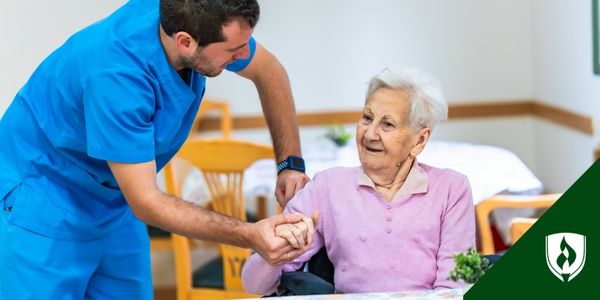
- Adult-Gerontology Primary Care Nurse Practitioner: Focuses on caring for adults from adolescence through older adulthood
- Family Nurse Practitioner: Focuses on family care to patients of all ages.
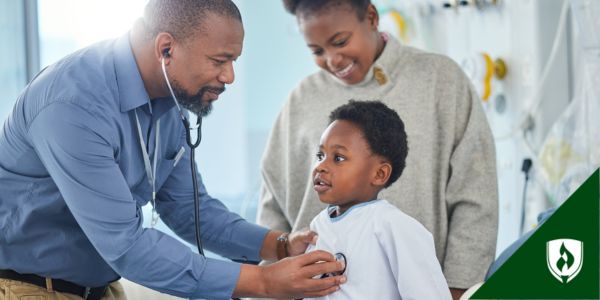
- Pediatric Primary Care Nurse Practitioner: Focuses on care for newborns through young adults.
- Psychiatric-Mental Health Nurse Practitioner: Focuses on providing care for patients with psychiatric disorders alongside a team of primary care and other specialty providers.
MSN Nurse Practitioner Program Overview
For registered nurses who already hold a BSN, a graduate NP program may be the next step in the pathway. Rasmussen University's online MSN-NP program is designed with working RNs in mind, combining online coursework with in-person practicum experiences intended to prepare students for the national NP board certification exam associated with their specialization.3
The program incorporates virtual immersion and pre-clinical readiness activities, such as simulation, telehealth, and standardized patient encounters, alongside practicum experiences that may take place in a student's workplace or community. A dedicated clinical coordinator may help locate practicum placements suited to each student's interests.3
- Degree: Master of Science in Nursing Nurse Practitioner Specializations3
- Length: Estimated 27 months with full-time study, completion time is dependent on the number of courses completed each term3
- Format: Online coursework with in-person practicum experiences3
- Specializations: Adult-Gerontology Primary Care (AGPCNP), Family (FNP), Pediatric Primary Care (PPCNP), Psychiatric-Mental Health (PMHNP)3
Can You Earn a DNP After an MSN?
For those who wish to advance further, an MSN may serve as a foundation for pursuing a Doctor of Nursing Practice (DNP). At Rasmussen University, nursing credits may transfer from one level to the next.3
Explore Rasmussen University's Online MSN-NP Program
Designed for working registered nurses, Rasmussen University's online MSN Nurse Practitioner program offers four specializations, flexible online coursework, and personalized practicum support intended to support students as they pursue advanced practice within their chosen focus area.2
If you're ready to learn how to become a nurse practitioner, explore Rasmussen University's online MSN-NP program.2
Earning a degree does not guarantee employment or specific job outcomes. Employment conditions in your area may vary.
1American Association of Nurse Practitioners®, The Path to Becoming a Nurse Practitioner (NP), at https://www.aanp.org/news-feed/explore-the-variety-of-career-paths-for-nurse-practitioners (accessed June 3, 2026).
2Bureau of Labor Statistics, U.S. Department of Labor, Occupational Outlook Handbook, Nurse Anesthetists, Nurse Midwives, and Nurse Practitioners, at https://www.bls.gov/ooh/healthcare/nurse-anesthetists-nurse-midwives-and-nurse-practitioners.htm#tab-2 (accessed June 3, 2026). Employment conditions in your area may vary.
3Rasmussen University, Master of Science in Nursing Nurse Practitioner (MSN-NP), at https://www.rasmussen.edu/degrees/nursing/master-science-nursing/nurse-practitioner/ (accessed June 3, 2026).
American Association of Nurse Practitioners® is a registered trademark of American Association of Nurse Practitioners, Inc., PO Box 12846, Austin, Texas 78711.
AANP® is a registered trademark of American Association of Nurse Practitioners, Inc. 5901 Vega Avenue, Suite 200, Austin Texas 78735.
NCLEX-RN® is a registered trademark of National Council of State Boards of Nursing, Inc. 111 East Wacker Drive Suite 2900 Chicago, ILLINOIS UNITED STATES 60601