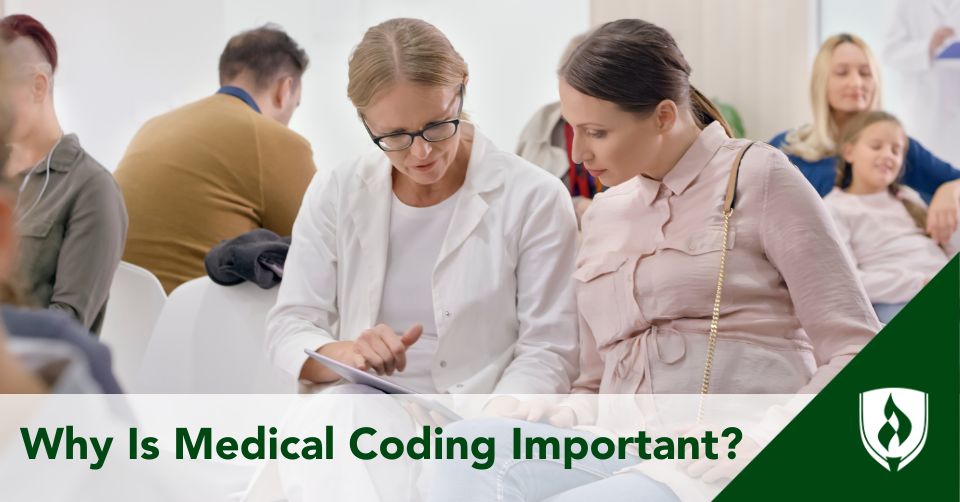
If you’ve ever gone to the doctor for something simple like a sore throat or a sprained ankle, you probably walked out with a plan to get better and maybe an ice pack.
But behind the scenes, a whole chain of steps kicks off. Your doctor writes notes, your clinic sends a bill and your insurance company decides what to cover. None of that works unless someone translates your visit into a set of universal codes that everyone in the healthcare system understands.
That job belongs to a medical coder. Medical coding professionals turn every clinic or hospital visit into the standardized language that keeps healthcare providers and insurance companies on the same page. Without this step, bills could be wrong, doctors might not get paid on time and your medical history could get messy fast.
Medical coding may happen behind the scenes, but it plays a vital role in how healthcare works every day.
What is medical coding?
Medical coding is the process of turning a patient’s visit into a set of universal numbers and letters that the healthcare system understands.
Instead of writing long explanations about what happened, medical coders use standardized codes to describe every test, treatment and service.
Here’s a simple example. Imagine you visit the doctor because you twisted your ankle at basketball practice. The doctor checks your ankle, orders an X-ray and gives you a brace. Behind the scenes, a medical coder reads the doctor’s notes and turns each part of your visit into codes. These codes explain the services rendered, the diagnosis and what kind of care you received.
This step matters because it keeps patient information organized. Codes make it easier to update your medical records and show what happened during the visit. They also help with medical billing since insurance companies use these codes to understand what they need to cover.
Basically, medical coding tells the clear story of a patient’s visit in a language that clinics, hospitals and insurance companies can all use.
How medical coding tells the story of every visit
Every time you see a doctor, something important happens behind the scenes. Medical coders take what happened during your visit and translate it into standardized codes. These codes act like a short version of your story. They show what you came in for, what the doctor did and what care you needed.
To keep everything accurate, coders use established tools like the International Classification of Diseases and Current Procedural Terminology. These systems help coders choose the appropriate codes and follow clear coding guidelines so nothing gets missed or mixed up.
For example, imagine that same sprained ankle visit. The doctor checks your ankle, orders an X-ray and gives you a brace. The diagnosis gets a code, the X-ray service gets a code, even the brace has a code. When a coder follows the right guidelines, the final record is clear and complete.
How medical coding supports insurance claims
Insurance companies rely on medical coding to understand the medical services rendered during a patient’s visit. The codes help explain what happened so insurance claims can be processed quickly and correctly. This is what allows proper billing and helps patients avoid confusion.
When accurate coding is missing, problems start. A wrong code might make it look like you received a service you never got or leave out something important. This can slow down claims or lead to mistakes on a bill that no one wants.
Why accurate coding matters for healthcare providers
Medical coding also affects the financial side of healthcare. Clinics and hospitals depend on correct coding to be paid for the care they provide. Coders read the physician’s notes and make sure everything lines up before the bill is sent.
If a code is wrong or missing, the billing process can slow down. Insurance companies may send the claim back or deny it altogether. These claim denials can delay payment for the healthcare providers who treated you.
Accurate coding and billing make the entire system smoother and help everyone stay on track.
How medical coding improves patient records and care
Medical coding does more than help with billing. It also helps protect patient records and supports better care. Because coders work with codes instead of personal details, your private information is kept safer. Instead of reading every line of a doctor’s notes, healthcare teams can look at a clear list of codes to understand what happened during a visit.
These codes also help keep electronic health records organized. When your information is updated the same way every time, it becomes easier for doctors and nurses to follow your medical history. This helps your patient’s medical record stay consistent no matter which clinic or hospital you visit.
Clear records lead to better patient care. For example, if you come in with stomach pain and then return a year later with a different problem, your doctor can look back and see exactly what tests or treatments you had before. This helps them make safer choices and avoid repeating tests you already had.
Good coding also supports quality patient care across the healthcare industry. When patient records are clear and complete, it is easier for providers to track progress and notice changes. This can lead to better patient outcomes because every part of your care is based on accurate information.
In short, medical coding helps protect your history and gives healthcare teams the information they need to take good care of you.
Why accurate medical coding matters for the healthcare industry
When coders follow correct coding practices, it keeps your bill from turning into a confusing surprise. Accurate medical coding shows exactly what you were treated for and what services you received. This helps insurance companies understand the visit and keeps patients from being charged for things that never happened.
Think of it like ordering food. If you only asked for a sandwich but the receipt says you bought three meals, you would want it fixed. The same idea applies here. Accurate coding helps prevent problems and reminds us why medical coding is important for every patient.
How medical coding supports financial health in clinics
Correct coding also keeps healthcare organizations running. Clinics and hospitals rely on payments from insurance companies to stay open. When the codes match the care that was given, the financial stability of the clinic stays strong.
A simple way to picture this is to think about getting paid for chores. If your parent has no idea what work you actually did, it is hard for them to reward you fairly. Healthcare operations work the same way. Clear coding tells the full story so clinics can get paid for the care they provided.
Accurate coding also supports larger goals. It helps experts study public health data, understand patterns in communities and guide future healthcare policies. These big-picture decisions start with the simple question: “Was the visit coded correctly?”
Supporting safe healthcare for a growing and aging population
As the aging population grows, more people will need regular care, medicine and checkups. Accurate coding helps doctors understand healthcare diagnoses, medical procedures and medical services from past visits so they can treat patients safely.
Clear records help providers track long-term needs, spot early warning signs and avoid repeating the same tests. This is especially important for older adults who may see several specialists. When each visit is coded correctly, every provider can follow the same clear story.
Who makes a great medical coder?
You do not need a medical background to become a great coder. In fact, many skilled medical coders start out as people who simply enjoy solving problems and paying attention to small details.
While it's common to wonder if medical coding is hard, for the right person, it’s also a great role. Medical coding is a lot like solving a puzzle. Each visit has pieces of information, and you put them together to choose the right code.
Professional coders also tend to be organized and calm under pressure. They work with a lot of information at once, so staying focused helps them keep everything accurate. You do not need to be perfect, just willing to learn and grow.1
Medical coding programs are designed to help you build these skills from the ground up. With practice and support, students become skilled professionals who can read medical notes, understand the rules and code each visit with confidence.
If you enjoy accuracy, puzzles or helping people from behind the scenes, medical coding could be a great fit for you.
Careers in medical coding can take you interesting places
If you’re looking for a career that combines smart work, stability and purpose, medical coding is a great bet. Healthcare services are always needed. Hospitals, clinics and other healthcare providers rely on skilled coders to keep everything moving smoothly.
Ready to take the next step? Explore the different places you could work by checking out the article, Where Do Medical Coders Work? 7 Settings That Might Surprise You.
1Most coding positions are not considered "entry level"; a combination of education and work experience is typically required to attain a coding position. Similarly, coders, especially those who are new to the field, should not expect to find a position where they can work from home. Most coding positions require onsite work.