What Is a Surgical Technologist?
05/05/2026
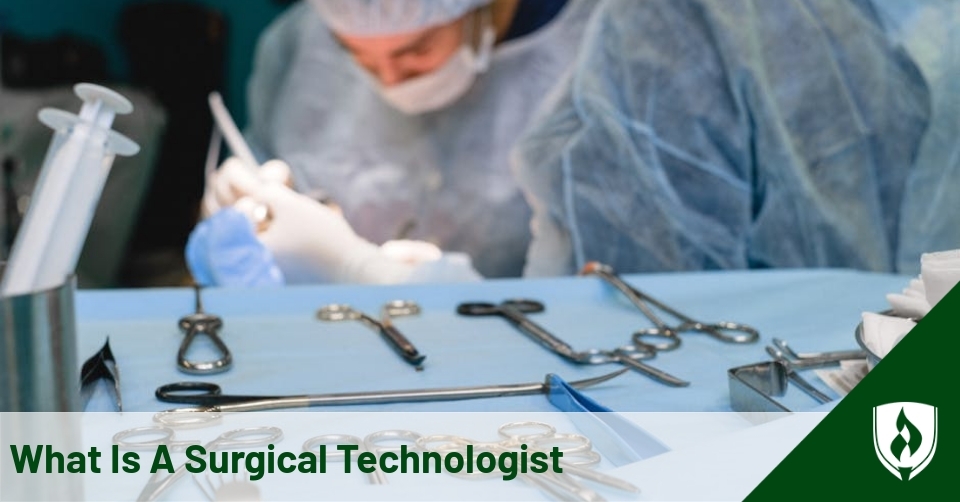
If you’re exploring healthcare careers, you may have encountered the term surgical technologist and wondered how this role fits into a surgical team. While not always as visible as surgeons or nurses, surgical technologists support essential surgical tasks.
This overview can help you better understand what surgical technologists do and how their responsibilities compare to similar roles.
What Does a Surgical Technologist Do?
Surgical technologists are sometimes called operating room technicians and typically help prepare operating rooms, organize equipment, and assist during surgical procedures. They may work alongside surgeons, surgical assistants, nurses, and other healthcare professionals as part of a coordinated team.1
It’s also helpful to distinguish this role from surgical assistants (sometimes called surgical first assistants). Surgical assistants tend to take on more direct, hands-on tasks during surgery, such as making incisions or closing surgical sites, depending on training, credentials and regulations. Surgical technologists focus on preparation, support, and maintaining a sterile environment.1
How Surgical Technologists Fit Into the Surgical Team
Surgical technologists typically work closely with:1
- Surgeons and physicians
- Surgical assistants
- Registered nurses
- Other healthcare staff in the operating room
Each role has distinct responsibilities, and surgical technologists often focus on creating and maintaining the conditions needed for a safe and organized procedure.
What Do Surgical Technologists Do?
Surgical technologists are often involved in multiple stages of a surgical procedure: before, during, and after an operation.1
Before Surgery
Preparation is a major part of the role. Surgical technologists typically:1
- Prepare operating rooms for surgery
- Sterilize equipment and confirm that all tools are ready for use
- Arrange surgical instruments and supplies
- Prepare sterile solutions and medications
- Check that equipment is functioning properly
They may also assist with preparing patients by:1
- Bringing patients into the operating room
- Positioning them on the operating table
- Covering them with sterile drapes
- Washing and disinfecting incision sites
In addition, they may help members of the surgical team put on sterile gowns and gloves.
During Surgery
During a procedure, surgical technologists support the team and maintain a sterile field. Their responsibilities may include:1
- Passing instruments and sterile supplies to surgeons and assistants
- Holding retractors or helping keep surgical areas visible
- Assisting with equipment, including robotic surgical systems
- Handling specimens that may be sent for laboratory analysis
- Counting instruments and supplies to help ensure nothing is left inside the patient
Maintaining organization and attention to detail is especially important at this stage.
After Surgery
Once the procedure is complete, surgical technologists may:1
- Apply bandages or dressings to incision sites
- Help transfer patients to recovery areas
- Clean and restock the operating room
- Ensure instruments are properly handled for re-sterilization
Important Skills for Surgical Technologists
Certain qualities are often important for surgical technologists as they carry out their responsibilities:2
- Communication: Relaying concerns or observations during procedures to help reduce the risk of complications.
- Attention to detail: Providing the correct sterile instruments and maintaining an organized environment.
- Dexterity: Comfort working with hands and handling instruments.
- Integrity: Ethical and responsible behavior.
- Listening skills: Understanding and responding to verbal instructions from surgeons and team members.
- Physical stamina: Standing for extended periods during procedures.
- Stress management: The ability to stay focused under stress.
Where Do Surgical Technologists Work?
Surgical technologists may work in a variety of healthcare settings. While hospitals are a common workplace, they may also work in outpatient and office-based settings.3
Here’s a general breakdown of where surgical technologists are often employed:3
- Hospitals (state, local, and private): 71%
- Outpatient care centers: 11%
- Offices of physicians: 10%
- Administrative and support services: 4%
- Offices of dentists: 2%
The specific environment may influence the types of procedures performed, the pace of work, and the structure of the surgical team.
Learn More About the Surgical Technologist Role
If you’re in the early stages of researching healthcare careers, learning about surgical technologists can offer insight into one of the many ways to be involved in patient care. This role may appeal to those who are interested in the technical and procedural aspects of surgery, as well as working behind the scenes as part of a team.1
To continue your research, you can explore training programs, compare similar healthcare roles or learn more about what day-to-day work looks like in a surgical setting
1Bureau of Labor Statistics, U.S. Department of Labor, Occupational Outlook Handbook, Surgical Assistants and Technologists, at https://www.bls.gov/ooh/healthcare/surgical-technologists.htm#tab-2 (accessed April 7, 2026). Employment conditions in your area may vary.
2Bureau of Labor Statistics, U.S. Department of Labor, Occupational Outlook Handbook, Surgical Assistants and Technologists, at https://www.bls.gov/ooh/healthcare/surgical-technologists.htm#tab-4 (accessed April 7, 2026). Employment conditions in your area may vary.
3Bureau of Labor Statistics, U.S. Department of Labor, Occupational Outlook Handbook, Surgical Assistants and Technologists, at https://www.bls.gov/ooh/healthcare/surgical-technologists.htm#tab-3 (accessed April 7, 2026). Employment conditions in your area may vary.