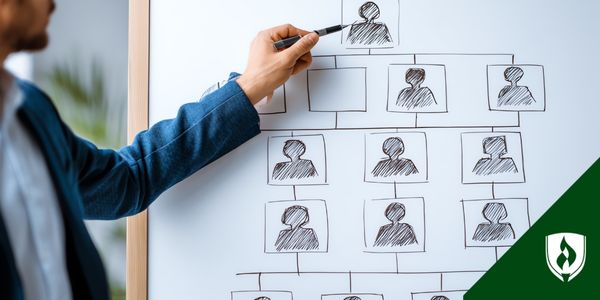
On a Monday morning, employees at a fast-growing healthcare company logged in expecting a normal workday. Instead, they received a company-wide email announcing a major restructuring. Departments would merge, reporting lines would change and a new digital system would replace several existing processes.
Within hours, confusion spread. Employees worried about job security. Managers struggled to answer questions. Productivity dipped as people tried to understand what the change meant for their roles.
Leadership initially saw the transition itself as the problem. But the deeper issue was the lack of an effective change management strategy.
This kind of situation can happen when organizations adopt new technology, restructure teams, respond to economic shifts or adapt to evolving business demands. Organizational change is often necessary, but it can create uncertainty fast when employees do not understand what is happening, why it matters or how they will be supported.
That is where change management in HR becomes essential. HR professionals help organizations manage the human side of change by reducing employee resistance, supporting employee engagement and guiding teams toward a desired future state.
Effective HR change management can help strengthen organizational culture and improve the chances of positive outcomes during times of transition. This article explores the change management process, the role of HR teams, common change management practices and how organizations can support both employees and business goals throughout the change process.
What is change management in HR?
Change management in HR is the structured approach human resource management teams use to help employees, leaders and systems adapt to organizational change. It focuses on moving an organization from its current state to a desired future state while reducing disruption for employees.
HR professionals play an important role throughout the change process because they often understand both business goals and employee concerns. They help leaders communicate clearly, prepare employees for new expectations and provide employee support during organizational transformation.
HR change management may include responsibilities such as:
- Supporting leaders during organizational change
- Managing employee expectations
- Addressing employee concerns
- Reducing employee resistance
- Aligning HR practices with business goals
- Strengthening communication channels
- Organizing training programs
- Gathering employee feedback
- Supporting organizational culture shifts
Without this kind of support, change can feel confusing or overwhelming. HR teams help make the change process clearer, more manageable and more connected to the people affected by it.
Why change management matters
Modern organizations operate in an evolving business environment shaped by new technology, economic shifts, workforce expectations and changing customer needs. That means organizational change is not a one-time event. It is often part of how companies continue to grow and compete.
But change initiatives can create stress when employees are not prepared. People may worry about job security, feel unsure about new responsibilities or resist changes that affect familiar routines. Without effective change management, confusion can lead to lower morale, reduced productivity and other negative consequences.
Successful change management recognizes that employees are not obstacles to change. They are central to whether the change effort succeeds. When organizations communicate clearly, address employee expectations and provide support, they can reduce employee resistance and help teams move through change with more confidence.
A structured approach can also help organizations enhance productivity, maintain trust and improve the chances of positive outcomes during times of transition.
The change management process
The change management process gives organizations a road map for planning, communicating and supporting change. While every change effort will look different, most organizations need to understand where they are now, define where they want to go, build a change management strategy, implement new processes and measure success over time.
A clear process can help HR teams support employees throughout the entire process instead of reacting only after problems appear.
1. Assess the organization’s current state
Before launching a change initiative, organizations need to understand their current state. This includes reviewing existing processes, employee attitudes, skill gaps, performance metrics and the existing organizational culture.
This stage may include:
- Stakeholder analysis
- Employee surveys
- Employee feedback
- Performance metrics review
- Department assessments
- Reviews of existing processes
Stakeholder analysis is especially important because different stakeholder groups may respond to change in different ways. Leaders, managers, frontline employees and external partners may all have different priorities, questions and employee concerns.
By understanding the organization’s current state, HR teams can better anticipate challenges, tailor communication and prepare employees for what comes next.
2. Define the desired future state
Organizations also need to clearly define the desired future state. Employees should understand what is changing, why the change matters and what the desired outcome should look like.
Helpful questions include:
- What organizational goals will this change support?
- What improvements are expected?
- How will the organization measure success?
- What behaviors, systems or processes need to change?
Leadership support is important during this stage. Leaders need to explain the purpose behind the organizational transformation and show how the change connects to both business goals and employee needs.
3. Develop a change management strategy
A change management strategy gives the change effort structure. It helps leaders and HR teams plan how employees will move through the transition, what support they will need and how progress will be tracked.
A successful change management strategy may include:
- A communication plan
- Training programs
- Employee support resources
- Leadership support
- Timelines and milestones
- Risk planning
- Feedback channels
- Change management tools
The strategy should guide the entire process, not just the launch. Employees need clear communication, useful training and opportunities to ask questions throughout the change process.
4. Implement the change process
Once planning is complete, organizations can begin to implement the change process. During this stage, HR professionals, change managers and leaders work together to help employees adapt to new processes and expectations.
This may include:
- Addressing concerns quickly
- Monitoring employee engagement
- Reinforcing new behaviors
- Supporting continuous learning
- Tracking progress with performance metrics
- Adjusting change strategies when needed
Implementation often reveals unforeseen challenges. Employees may struggle with skill gaps, technology adoption or uncertainty about how their work will change. HR teams can help address concerns, gather feedback and make sure employees have the support they need.
5. Measure success and reinforce change
Change management success depends on more than launching a new system, structure or process. Organizations also need to measure success and reinforce the changes over time.
Helpful performance metrics may include:
- Employee performance
- Productivity levels
- Employee feedback
- Adoption rates
- Engagement scores
- Retention rates
- Organizational success indicators
Continuous improvement is important because change initiatives often need refinement after implementation. HR practices can help reinforce long-term success by connecting new behaviors to company culture, onboarding, performance evaluations, training and leadership development.
HR’s role in managing change
HR professionals play a pivotal role in managing change because they often serve as the bridge between leadership and employees. Leaders may set the direction for a change effort, but HR teams help employees understand what is happening, how it affects them and what support is available.
This role is especially important because organizational change is not only about systems, timelines or new processes. It also affects employee expectations, team dynamics, trust and organizational culture.
HR teams can offer valuable support by:
- Communicating updates clearly
- Addressing employee concerns
- Supporting employee well-being
- Coordinating training programs
- Helping managers answer questions
- Aligning HR practices with organizational goals
- Reinforcing behaviors that support the change
Human resources departments are often close to employee sentiment and company culture. That perspective can help organizations manage change more effectively while maintaining trust, morale and employee support.
Why employees resist change
Employee resistance is one of the most common challenges during organizational change. Resistance does not always mean employees are unwilling to change. It often means they have questions, concerns or past experiences that have not been addressed.
Common reasons for employee resistance may include:
- Fear of failure
- Concerns about job security
- Unclear communication
- Confusion about new expectations
- Limited leadership support
- Previous negative experiences with change initiatives
- Not enough training or change management training
Ignoring resistance can lead to negative consequences, including lower morale, reduced productivity and delayed implementation. But resistance can also provide useful feedback.
Employees may notice operational issues, communication gaps or practical concerns that leaders have missed. When organizations take time to address employee concerns, they can reduce resistance and improve the chance that employees will support the change.
How HR can support employee engagement during change
Employee engagement can be difficult to maintain during times of uncertainty. When employees do not understand why a change is happening or how it will affect them, they may become distracted, frustrated or resistant.
HR teams can support employee engagement by helping employees feel informed, heard and involved throughout the change process. That may include fostering open communication, gathering employee feedback and making sure employees know where to go for support.
HR professionals can also help tailor communication for different teams. Employees in different roles may have different concerns, questions and needs. A frontline team may want to know how daily work will change, while managers may need guidance on how to support their direct reports.
Strong employee support can help people feel more connected to the change instead of feeling like change is simply happening to them. When employees have opportunities to ask questions, share concerns and understand their role in the process, organizations are more likely to see positive outcomes.
Change management training and skill gaps
Training is an important part of successful change management. Employees and managers need to understand how new processes, systems or expectations will affect their work.
HR teams can help identify skill gaps before they slow down the change effort. This may include reviewing employee feedback, performance data, manager observations or project management needs. Once gaps are clear, HR can create training programs that help employees build the skills they need.
Change management training may help employees:
- Understand new processes
- Build change management skills
- Learn new technologies
- Improve confidence
- Reduce stress during transitions
- Support employee performance
Training should not be limited to technical instruction. Employees may also need support with communication, adaptability, collaboration and problem-solving.
Managers need training too. Project managers, change managers and team leaders are often the people employees turn to first with questions. When managers understand the change and know how to support their teams, they can help employees adapt more confidently.
Continuous learning also prepares organizations for future initiatives. The more comfortable employees become with learning new skills, the better prepared they may be for future change.
Change management models HR teams can use
HR teams may use a change management model to guide planning, communication and implementation. These models can serve as change management tools that help HR professionals, change managers and leaders support employees throughout the change process.
The right model can depend on the organization’s size, culture, goals and type of organizational transformation. Some models focus on leadership support and momentum, while others focus more on individual employee adoption.
Lewin’s change theory1
Lewin’s change theory breaks the change process into three stages: unfreeze, change and refreeze. The model can help organizations think through how to prepare employees for change, introduce new behaviors or systems and reinforce those changes in the organizational culture.
Kotter®’s model2
Kotter®’s model focuses on leadership, communication and momentum during change initiatives. It is often used to guide larger organizational transformation efforts by helping leaders create urgency, build support and keep people moving toward the change.
The ADKAR® model3
The ADKAR® model focuses on individual change. The acronym stands for awareness, desire, knowledge, ability and reinforcement. This model can help HR teams identify where employees may need more support during the change process.
Choosing a change management model does not replace planning, communication or employee support. Instead, it can give HR teams a clearer framework for helping people understand and adapt to change.
Communication during the change process
Communication is one of the most important parts of effective change management. Employees need to understand what is changing, why it is happening, how it may affect them and where they can go for support.
A strong communication plan should answer questions such as:
- Why is the change happening?
- How will employees be affected?
- What support is available?
- What are the timelines?
- How will success be measured?
Different stakeholder groups may need different messages. Executives may focus on organizational goals and business impact, while frontline employees may care more about workload changes, job security and day-to-day expectations.
HR teams can tailor communication by using multiple communication channels, such as:
- Team meetings
- Emails
- Internal platforms
- One-on-one conversations
- Town hall sessions
- Training workshops
Fostering open communication throughout the change process can reduce confusion and help employees feel more supported. It also gives HR teams a way to gather employee feedback, address employee concerns and adjust communication when questions or concerns arise.
Aligning HR practices with organizational change
For a successful transformation to last, HR practices need to support the desired future state. Hiring, training, performance evaluations, compensation, recognition and leadership development should all reinforce the behaviors the organization wants to see.
If HR practices keep rewarding old behaviors, employees may struggle to adopt new processes. For example, a company that wants more collaboration may send mixed signals if its performance reviews only reward individual achievement.
Aligning HR practices with change initiatives helps make the change part of the organization’s culture, not just a temporary project. It also helps employees understand how the change connects to organizational goals and company culture.
Leadership support in change management
Leadership support can shape how employees respond to change management. Employees look to leaders for clarity, consistency and reassurance during uncertain times.
Strong leaders can support change by:
- Communicating clearly
- Addressing concerns honestly
- Modeling desired behaviors
- Providing employee support
- Reinforcing organizational goals
- Encouraging continuous improvement
Visible, consistent leadership can reduce uncertainty and help employees trust the change process. When leaders stay engaged, organizations are more likely to see positive outcomes.
Common mistakes during change initiatives
Even well-planned change initiatives can run into problems. When organizations move too quickly, overlook employee concerns or fail to communicate clearly, the change effort can create confusion and negative consequences.
Common mistakes include:
Ignoring organizational culture
Organizational culture shapes how employees respond to change. Change strategies that conflict with company culture may face stronger resistance, especially if employees do not understand why the change is needed.
Moving too quickly
Fast implementation can overwhelm employees if they do not have enough time, training or support. Moving quickly may be necessary in some situations, but organizations still need to prepare employees for what is changing.
Failing to gather employee feedback
Employee feedback can help leaders spot operational issues, communication gaps and morale concerns. Without feedback, organizations may miss problems that affect adoption.
Communicating inconsistently
Weak communication can lead to confusion, rumors and mistrust. Employees need clear updates about what is changing, when it is happening and how it may affect their work.
Providing insufficient training
Employees cannot adapt to new processes if they do not know how to use them. Training gives employees the knowledge and confidence they need to support the change.
Failing to measure success
Without performance metrics, organizations may not know whether their change strategies are working. Tracking progress helps leaders adjust the plan and support continuous improvement.
Building a culture that embraces change
Organizations that manage change well often build adaptability into their organizational culture. Instead of treating organizational transformation as a one-time disruption, they help employees see change as part of growth, learning and continuous improvement.
A company culture that supports change may include:
- Continuous learning opportunities
- Open communication
- Leadership transparency
- Employee engagement
- Innovation
- Ongoing employee support
When employees are used to learning new skills, sharing feedback and asking questions, they may feel more prepared for future initiatives. Strong employee support can also make change feel less like something happening to employees and more like something they can help shape.
Over time, this kind of culture can help organizations respond to new challenges with more confidence and less disruption.
The future of HR change management
The future of HR change management will likely be shaped by AI, automation, remote work, digital tools and changing employee expectations. As organizations continue adapting to an evolving business environment, HR professionals will play an important role in helping employees understand and respond to future initiatives.
HR teams may need to keep building skills in areas such as:
- Change management skills
- Employee engagement
- Data-driven decision-making
- Communication
- Leadership development
- Continuous learning
These skills can help HR professionals support both employees and organizational success. As change becomes more common, HR teams that can guide people through uncertainty will remain valuable partners in helping organizations adapt.
Managing change starts with leadership
Change management in HR is about helping people move through uncertainty with clarity, support and purpose. HR professionals support this work by communicating clearly, aligning organizational goals and helping employees feel supported throughout the change process.
Afterall, times of change are also times of great opportunity! Check out Leading Through Change: How Good Leaders Turn Chaos Into Closer-Knit Teams.
1Prosci®, What is Lewin’s Change Theory? Explanation, Pros and Cons, (Accessed June 26,2026), What Is Lewin’s Change Theory? Explanation, Pros and Cons, https://www.prosci.com/blog/lewins-change-theory
2Kotter, Kotter Methodology, (Accessed June 26, 2026), Methodology - Kotter International Inc, https://www.kotterinc.com/methodology/
3Prosci, The Prosci ADKAR Model, (Accessed June 26, 2026), The Prosci ADKAR® Model | Prosci, https://www.prosci.com/methodology/adkar
Kotter® is a registered trademark of Kotter International, Inc.
ADKAR® is a registered trademark of Prosci, Inc.
Prosci® is a registered trademark of Prosci, Inc.